Alopecia & Hair Loss
What is Alopecia?
Alopecia refers to any form of hair loss - whether patchy, progressive, sudden, or diffuse. Hair loss can be triggered by genetics, hormones, autoimmune activity, stress, trauma, illness, or changes to the scalp environment.
Each type of alopecia involves distinct mechanisms within the hair follicle and therefore requires a different treatment approach.
Understanding which type of alopecia you are experiencing is the first step toward choosing the right treatment plan.
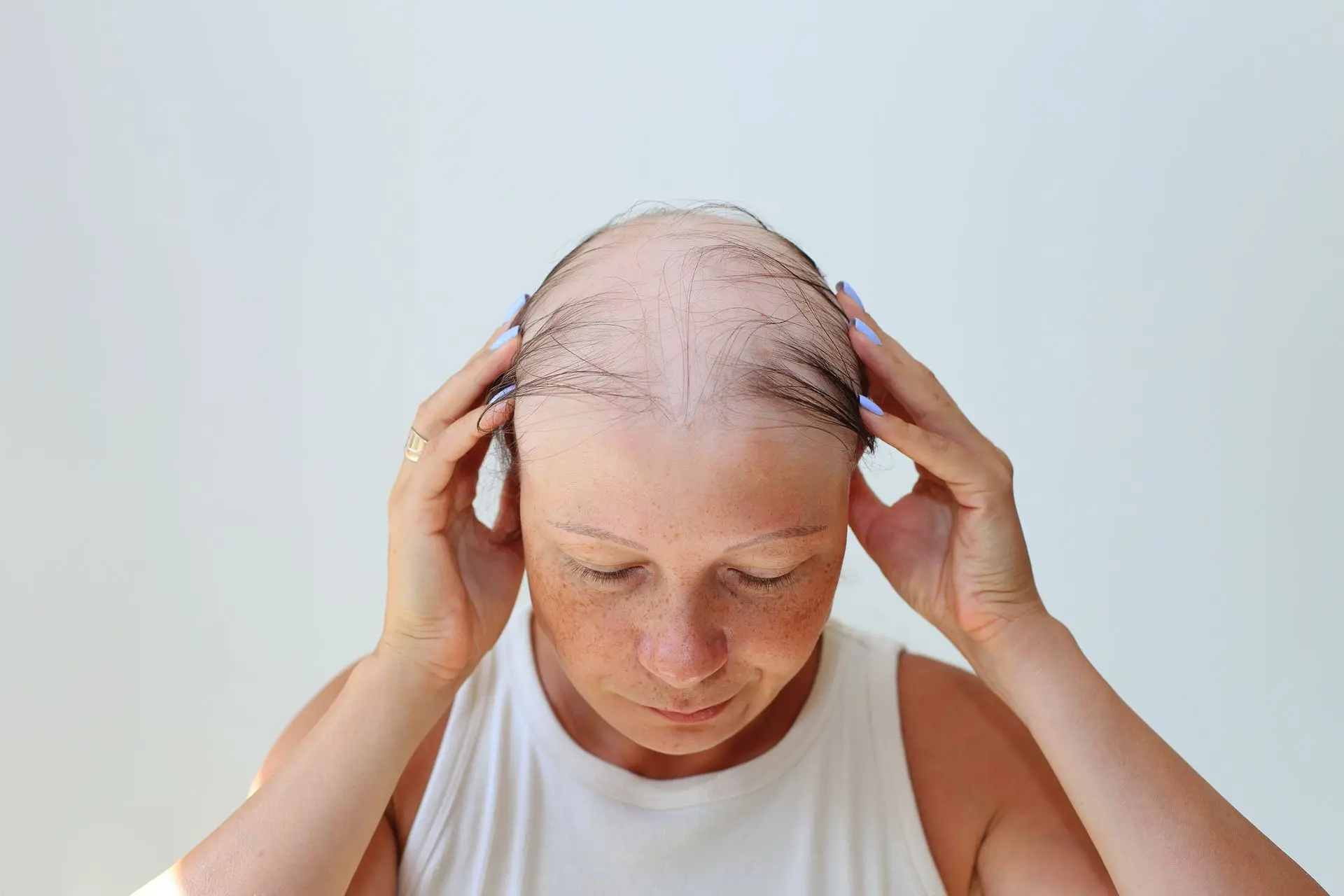
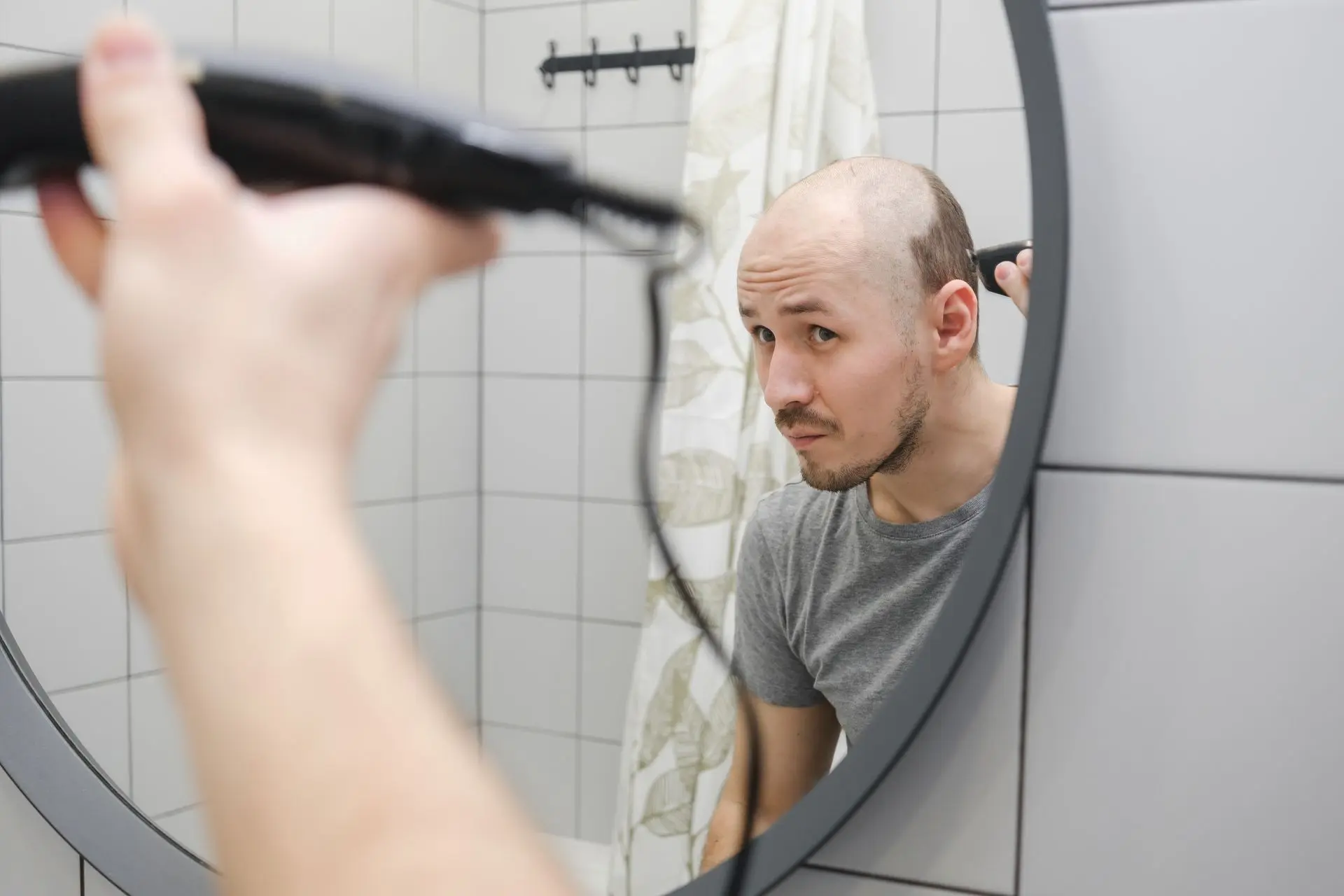
Alopecia Areata
Autoimmune hair loss presenting as sudden, round bald patches
- Round or oval bald patches
- Smooth, hairless skin with sharp borders
- No redness, scaling, or irritation
- May affect eyebrows, beard, or eyelashes
- Possible nail pitting or ridging
- Can progress or resolve unpredictably
Alopecia Areata is caused by an autoimmune attack on the hair bulb. Hair follicles remain alive, so regrowth is usually possible with treatment.
Often triggered by
- Stress or emotional strain
- Genetic predisposition
- Thyroid disorders
- Viral or chronic conditions
- Weekly Scalp Prep
- Use a detoxifying mask - Dermo Capillary Mask (016) - & anti-dandruff treatment - Natural Polyplant Anti-Dandruff (017) - to clear buildup & balance the scalp
- Cleansing Routine - 3x/week
- Alternate a hair-loss shampoo - Prevention Hair Loss Shampoo (001) - with a nutrient-rich shampoo - Royal Jelly Shampoo (004) - to support follicle recovery
- Active Topical Phase - 90 days
- Daily or twice-daily application of a follicle-stimulating treatment - Science Control Hair Loss Treatment (021) - to encourage regrowth and strengthen weak follicles
Alopecia Areata Products
Androgenetic Alopecia
Pattern hair loss caused by genetics & hormonal activity
Androgenetic Alopecia affects up to 85% of men and is also common in women.
Men: Receding hairline, thinning crown
Women: Diffuse thinning at the part & crown
Symptoms can also include
- Gradual, progressive thinning
- Miniaturized hairs (thin, weak, short cycles)
Androgenetic Alopecia is caused by a sensitivity to DHT, derived from testosterone. DHT inflames sebaceous glands, shrinks follicles, and shortens growth phases.
Influenced by
- Genetics
- Hormones
- Chronic stress
- Aging
10-month program
- Phase 1 - 90 days
- Use Capillary Cellular Therapy (014) once daily
- Phase 2 - 60 days
- Use Science Control Hair Loss (021) twice daily
- Phase 3 - 60 days
- Use DX2 Aminopyrimidine (023) ½ vial daily
- Phase 4 - 90 days
- Use DNA + Pollen Treatment (013) twice daily
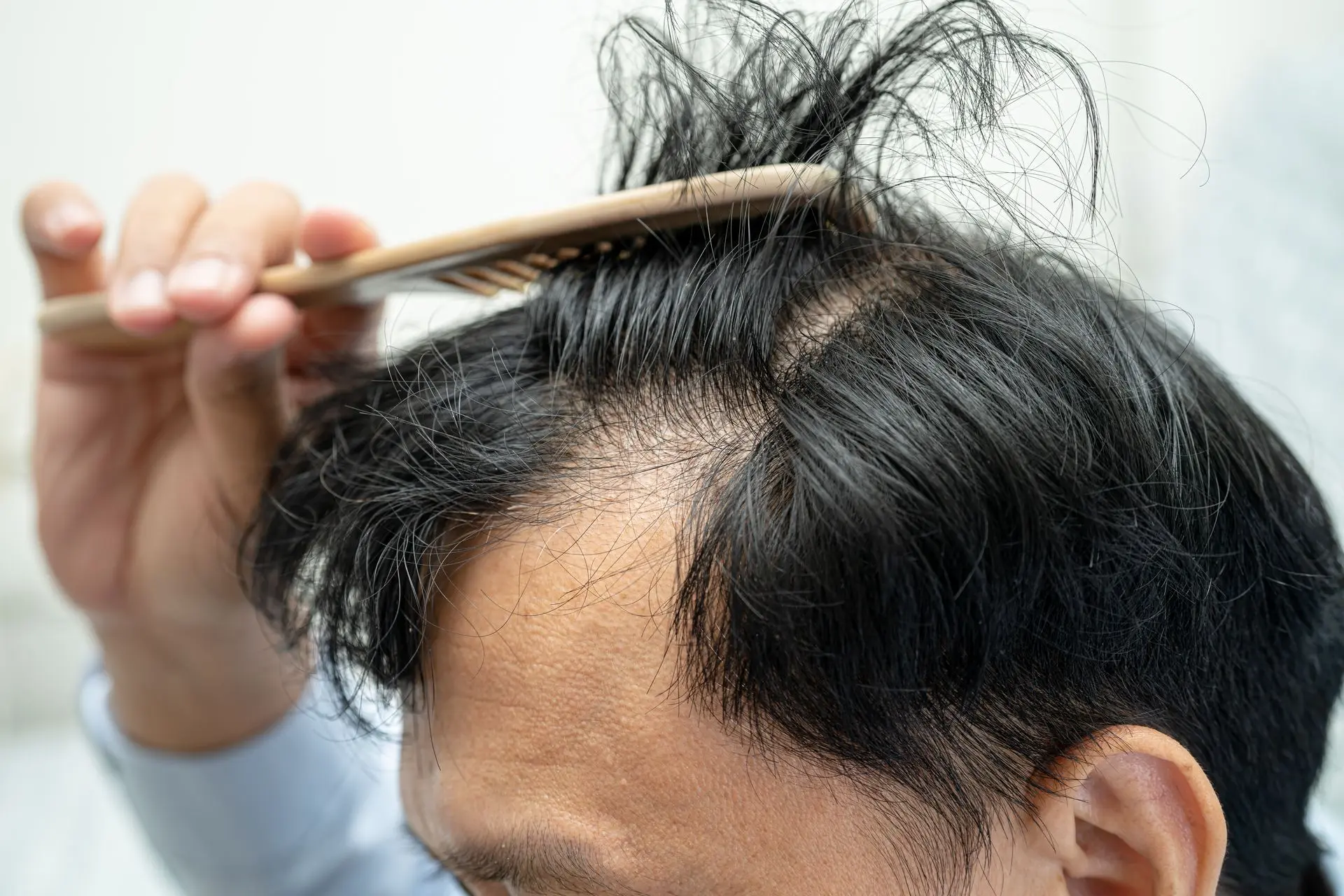
Androgenetic Alopecia Products

Post-Traumatic Alopecia
Hair loss caused by physical or mechanical stress
Post-Traumatic Alopecia looks like any hair loss caused by excess friction. This can present in a variety of ways depending on the injury.
If the follicle is still alive, regrowth is possible.
Post-traumatic Alopecia can have common triggers, which include
- Tight hairstyles - braids, buns, ponytails
- Post-surgical scarring
- Headwear friction
- Chemical damage
- Burns or injury
- Severe emotional stress
- Weekly Scalp Prep
- Dermo Capillary Mask (016)
- Natural Polyplant Anti-Dandruff (017)
- Cleansing Routine
- Wash with Prevention Hair Loss Shampoo (001) and Royal Jelly Shampoo (004) to support follicle recovery
- Regrowth Routine - 90 days
- Use DNA + Pollen Treatment (013) daily
Post-Traumatic Alopecia Products
Postpartum & Menopausal Alopecia
Hormone-related shedding triggered by estrogen changes
- Diffuse shedding 2 - 3 months after childbirth
- Widening part, thinning around temples
- Dry, fragile hair quality
- May coincide with fatigue or nutritional deficiencies
In many cases the hair follicle remains healthy, and regrowth is possible.
- Rapid drops in estrogen
- Low levels of iron, magnesium, calcium, or vitamins
- Hormonal shifts
- Stress, sleep changes, and metabolic changes
- Weekly
- Dermo Capillary Mask (016)
- Anti-Dandruff Polyplant (017)
- 3x Weekly
- Prevention Hair Loss (001) alternating with Royal Jelly Shampoo (004)
- Daily - 90 days
- DX2 + Aminopyrimidine (019)
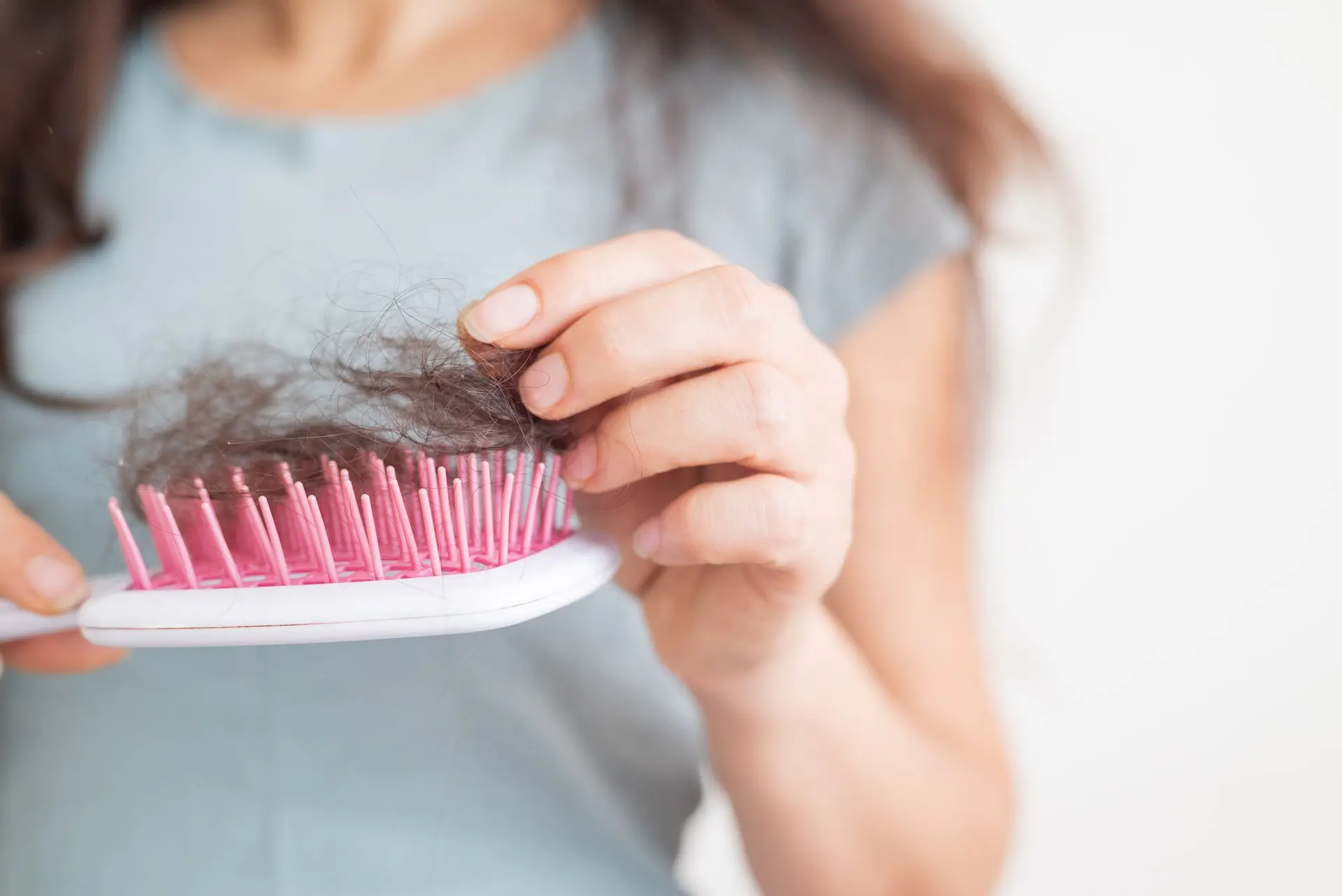
Postpartum & Menopausal Alopecia
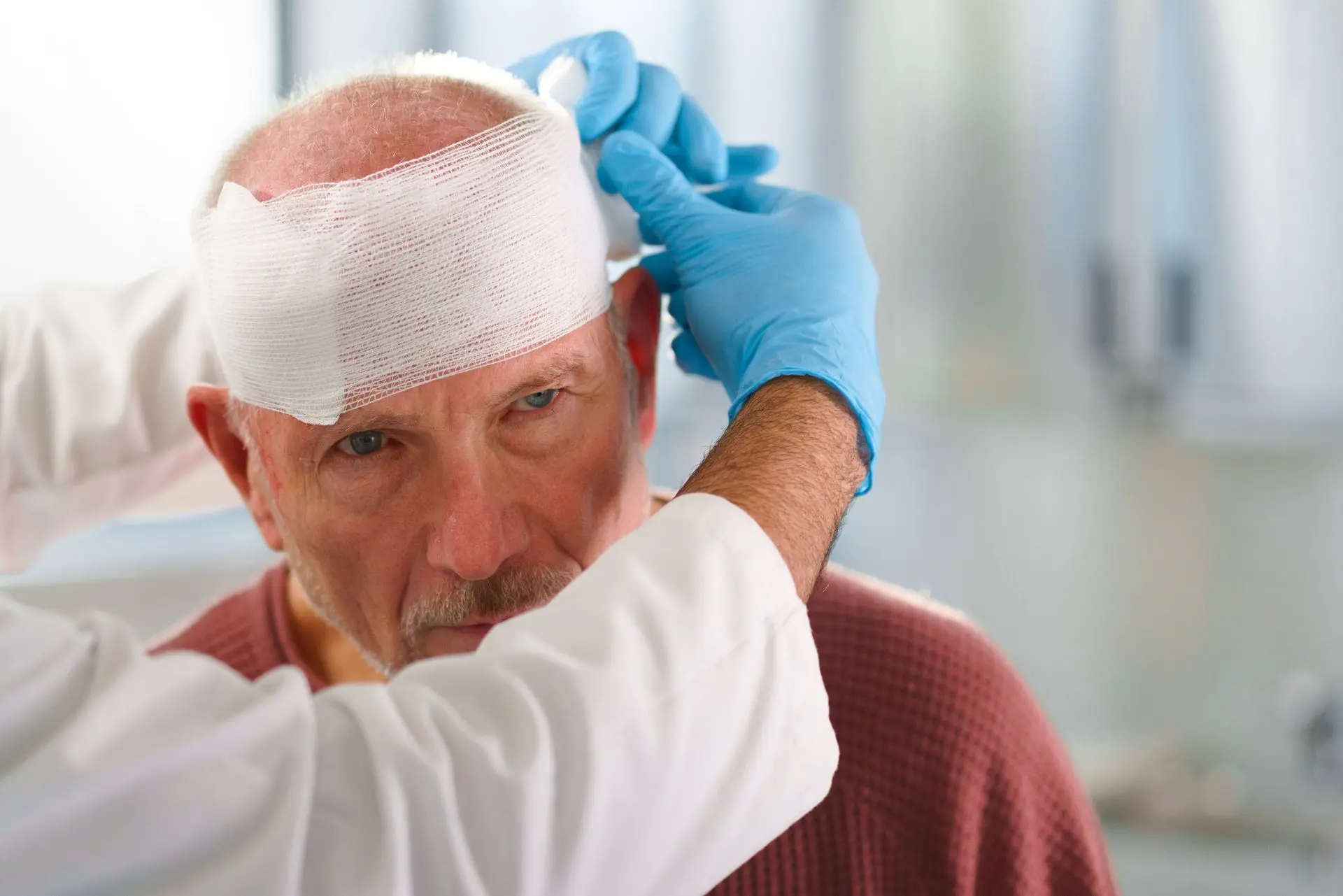
Scarring Alopecia (Cicatricial Alopecia)
Permanent follicle destruction due to trauma or disease
- Areas of scalp that appear smooth, shiny, or scarred
- Permanent bald patches with no follicular openings
- Redness, burning, or pain in early stages
Hair follicles are destroyed due to
- Burns
- Infections
- Severe inflammation
- Autoimmune conditions
- Physical trauma
Once the follicle is destroyed, regrowth is not possible
There is no regenerative treatment for scarring alopecia.
Early evaluation is essential to prevent further follicle destruction.